Beyond Representation: The Voices of Male Advocates in Holistic Defense Social Work
This commentary brings together the voices of several male-identifying advocates within The Bronx Defenders’ holistic social work practice. It offers a reflective look into their pathways, challenges, and perspectives in a field where men remain underrepresented.
Through a series of interviews, these advocates, many of whom are men of color, share personal insights on what drew them to social work, the barriers they have faced, and the realities of navigating a profession where their perspectives and experiences are less commonly represented.
Collectively, their reflections highlight a critical and unpleasant truth: men, particularly men of color, often encounter unique social and emotional barriers when seeking support during moments of crisis. Stigma, expectations around masculinity, and limited access to culturally responsive care can prevent meaningful engagement with services. In this context, the presence of male advocates is not simply about representation; it can serve as a bridge to trust, understanding, and access for men in the Bronx community and all other communities.
Why are there few men in the social work field?
One reason there are fewer men in the social work field is connected to how boys are typically socialized growing up. From a young age, boys are often taught to suppress their emotions and avoid open vulnerability through messages like “boys don’t cry” or “man up.” Over time, this conditioning creates distance from emotional awareness and conversations about mental health. Because social work requires familiarity and comfort with emotional conversations, many men may not initially see themselves fitting naturally into the profession.
There is also a broader cultural perception that professions centered on care and emotional support are more suited for women. As a result, many men are encouraged to seek careers that emphasize status, competition, or technical skills rather than relationships and caregiving. Yet, the presence of men in social work is important to model healthy emotional awareness and provide representation for boys and men who may benefit from seeing themselves reflected in the field.
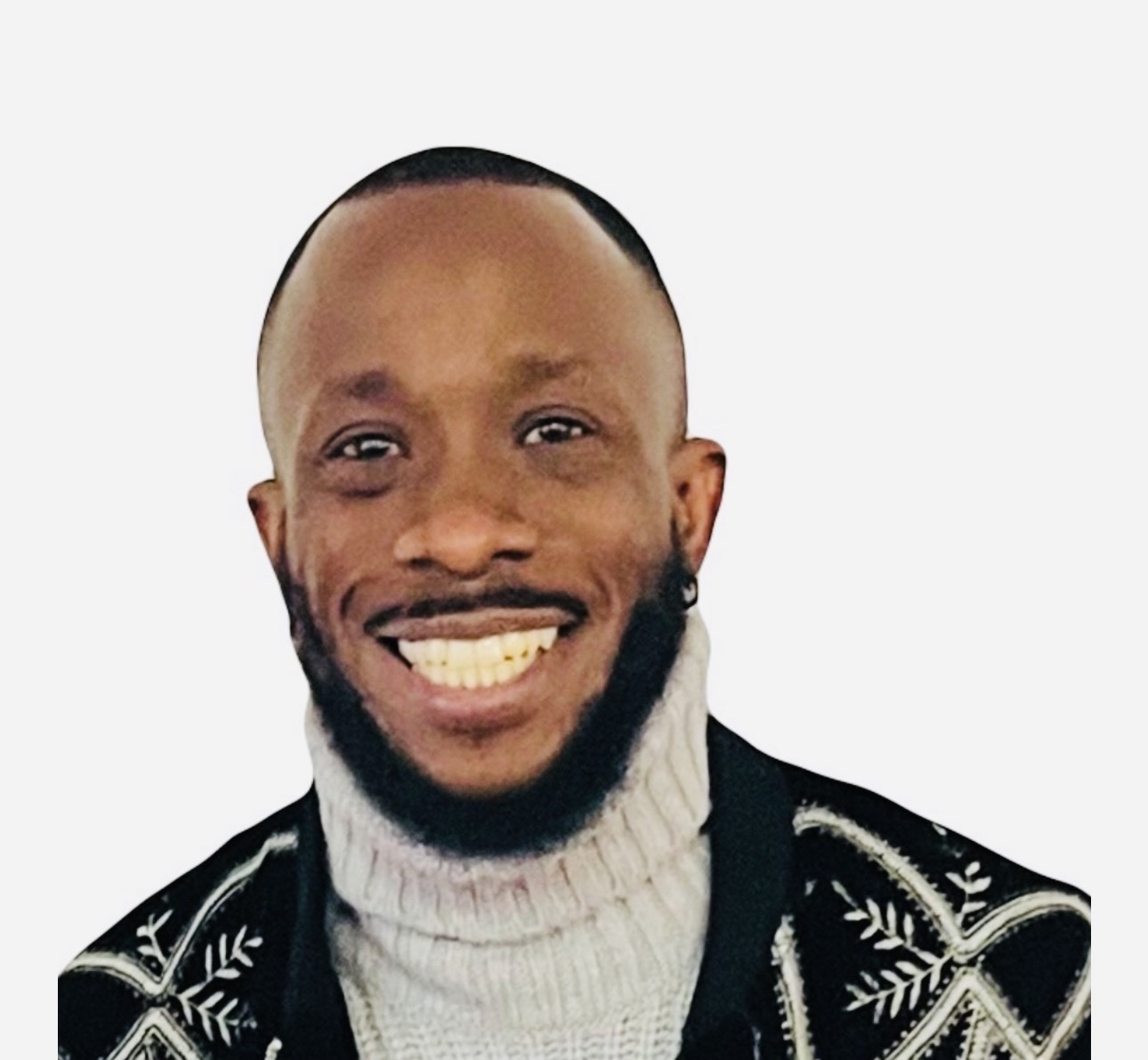
Orayne Williams
Criminal Defense Practice
Adolescent Defense Project
Director & Social Worker
What are the social/emotional barriers to being a man in social work?
As a male social worker, it is important to be emotionally aware when it comes to interacting with government agencies, especially since most are designed in ways that frustrate, impede, or even harm the people we support. Misunderstanding assertiveness and advocacy is a major social and emotional barrier for a male social worker. Being emotionally conscious and purposeful in communication is crucial when working with government agencies. Because direct advocacy can occasionally be interpreted as threatening, confrontational, or excessively aggressive rather than professional and client-centered, male social workers are frequently expected to exercise cautious judgment when it comes to tone, language, and emotional expression.
Therefore, to advocate effectively, we must be able to speak up for the people we represent while carefully considering our words so that our voices aren’t perceived as threatening or hostile. As men, it is important to measure our own feelings when interacting with difficult agencies that have an agenda against our clients. The majority of the time, these policing agencies will project their differences with our clients onto us, and how we respond is important so that our advocacy is not taken out of context. When clients aren’t complying with mandated services, city agency employees tend to shame our clients and transfer their frustrations onto us. It’s important to manage these conversations and think critically before responding.
In a profession with few male social workers, it can sometimes feel lonely and hard to open up about our thoughts or feelings about our work. There is the unconscious thought of being judged or the inability to handle things on our own, due to stereotypes that make men feel they have to be independent. It is a learning process to be a male social worker, and understand the cultural dynamics in our practice, where gender doesn’t define us as social workers. What makes our work valuable is how we show up for our clients, build trust within our own practice to welcome support from others, and break down barriers that can hold us back.

Tony Flores
Family Defense Practice
Social Worker
What advice would you give to men who want to be in social work?
If you would like to improve young men’s upbringings, impact the emotional development of their families and future generations, jump in as soon as you can. Given the many social and cultural factors that make it hard for men to open up, your presence as a male social worker can be the difference in creating the trust necessary for someone to get access to the support they need. It is an opportunity to be a resource to your community. Our communities need more men in the field and more access to professionals who understand their experiences on a deep level and push them to advocate for themselves and one another.
Daily, you will witness the different challenges men face when seeking support from the court system, city agencies, and within your own organization. It will not take long for you to become inspired by the call to ensure your clients are treated with dignity and respect.
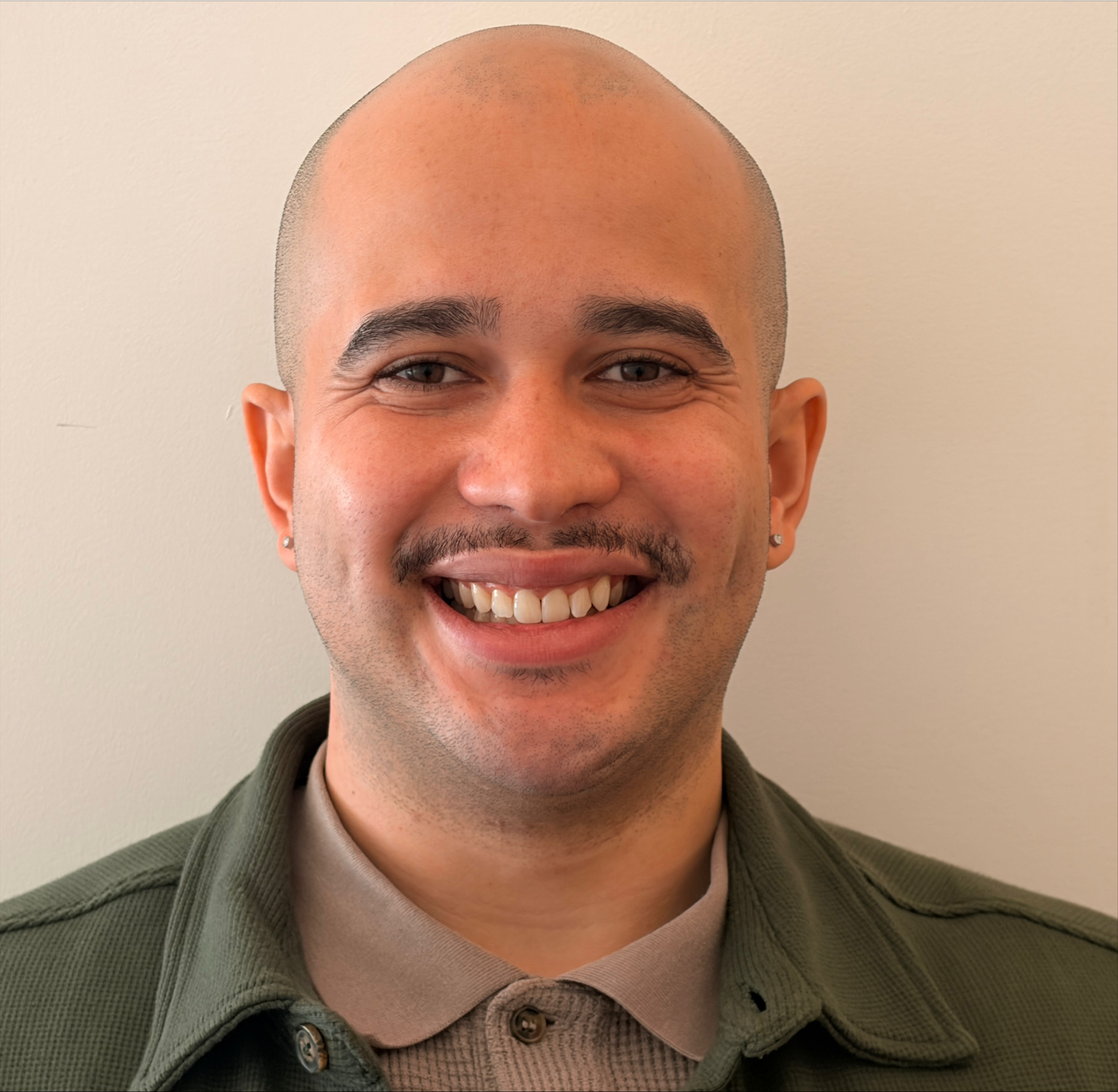
Lowis Ortega
Family Defense Practice
Focus on Fathers
Parent Advocate
Given that there are few men in the field, what brought you to social work, particularly as a man of color?
I was initially interested in being a social worker because I wanted to support and connect with people who have had similar experiences as me. Immigrating to the U.S. with my family, growing up in a low-income household, living in subsidized housing, interacting with different systems, and coming out as gay are all experiences that had a major impact on me and built the foundation for who I am today. Because my parents spoke little English, I was made to lead, manage, and problem-solve many family predicaments from a young age. From these responsibilities, I developed a desire to figure out how to use these skills to serve other folks outside of my family. I thought, “How can I take who I am and what I’ve lived through to serve my community and the causes I care about?” Connecting with and supporting people in need, regardless of shared experiences, is a beautiful thing that men, regardless of societal norms, are capable of doing.
*Anonymous submission*
What does support look like for men, specifically men of color, in the social work field?
Support for men of color in the social work field looks like intentional investment in both their professional development and personal sustainability. It includes access to mentorship from other men who understand the unique pressures of navigating systems where they are often underrepresented, as well as spaces where they can process the emotional weight of the work without stigma. Support also requires organizational cultures that affirm their lived experiences, value their cultural insight as an asset, not a liability, and actively protect them from being overburdened or tokenized. Ultimately, meaningful support ensures that men of color are not only present in the field but are also equipped, affirmed, and sustained in their roles.
Orayne Williams
Criminal Defense Practice
Adolescent Defense Project
Director & Social Worker
What do you find most challenging in this work?
One of the most challenging aspects of my work is dealing with government caseworkers who rely on common stereotypes about men of color, labeling us as aggressive, hostile, or too loud. As an outspoken father and advocate, I can quickly find myself judged through that same lens when I’m fighting for my clients.
This dynamic is especially difficult in a field with few men. When those stereotypes are introduced into the room and accepted by others, it can become significantly harder to advocate effectively and achieve favorable outcomes for the families I represent.
Over the years, I’ve learned to pause in those moments and reframe my actions. I remind both myself and others that what they are seeing is not aggression, it’s passionate advocacy on behalf of my clients. I’ve also learned to slow down when I speak and be more deliberate in how I explain things. Doing so helps ensure that my energy and commitment to my clients are not misunderstood. The challenge is making sure the passion lands as credibility instead of being mischaracterized as anger.
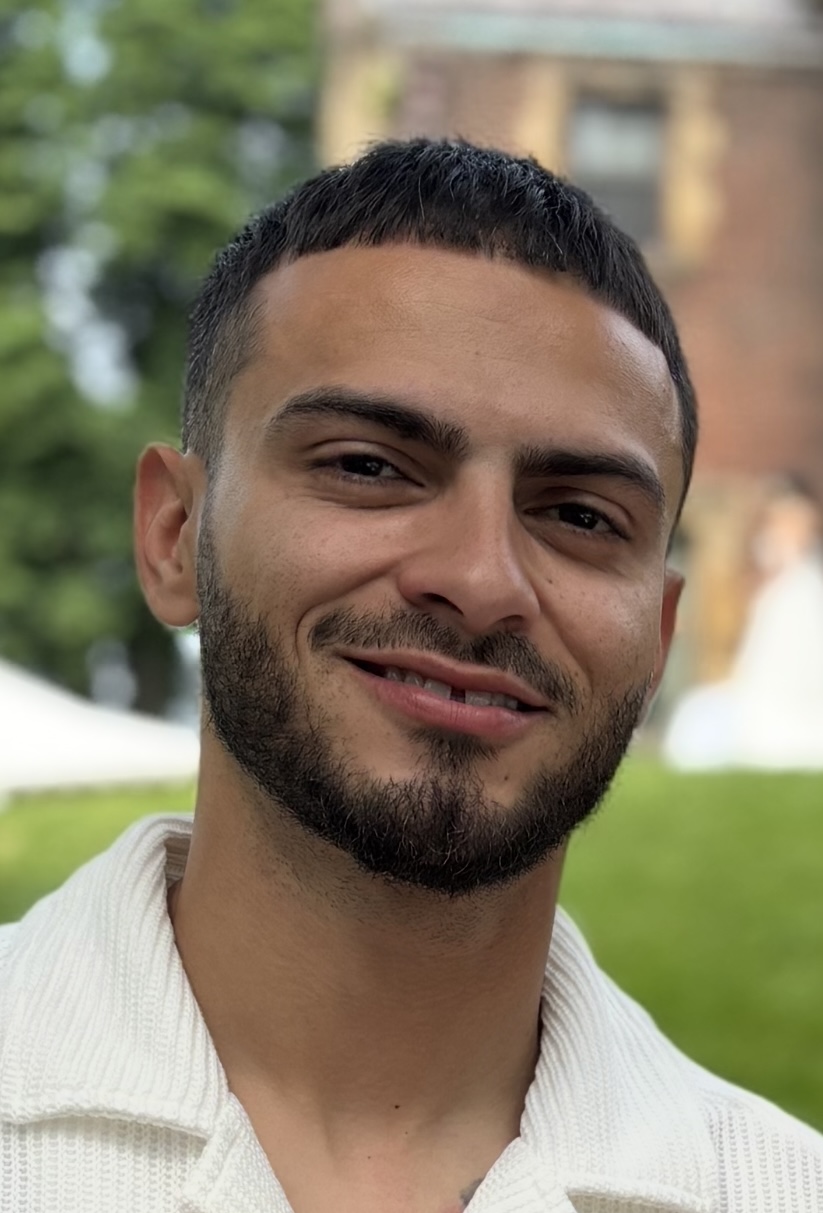
Andrew Jimenez
Family Defense Practice
Parent Advocate